Tree Surgeons Hampstead: Expert Tree Care for a Healthier, Safer Landscape
 Tree surgeons in Hampstead play a vital role in preserving the beauty, safety, and long-term health of trees in one of London’s most characterful green areas. From elegant private gardens and period terraces to communal grounds and mature street trees, this part of North London depends on skilled arboricultural care to keep its trees thriving. A professional tree surgeon does far more than cut branches. They assess tree health, manage structural risks, improve growing conditions, and help trees remain an asset rather than a hazard.
Hampstead is known for its leafy streets, varied architecture, and access to open green spaces, which means trees are both visually important and environmentally significant. Mature trees provide shade, reduce pollution, improve biodiversity, and support the character that makes the area so distinctive. However, these trees also need specialist attention because urban conditions can place them under stress. Compacted soil, restricted root space, storm exposure, and competition from nearby buildings all affect growth. This is where experienced Tree Surgeons Hampstead services become essential.
Choosing the right arboricultural support is not simply a matter of appearance. Proper tree care helps prevent weak limbs, disease spread, wind damage, and decline caused by neglect or inappropriate pruning. With knowledgeable tree surgeons, residents and property managers can protect mature specimens while maintaining the natural elegance of their surroundings. In a place like Hampstead, where trees may be historic, ornamental, or environmentally valuable, expert care is both practical and important.
 One of the most valuable qualities of a professional Hampstead tree surgeon is the ability to balance safety with conservation. Trees are living structures, and every cut influences their future growth. Incorrect pruning can leave a tree vulnerable, distort its form, or create decay pathways. Skilled arborists understand how to make precise, informed decisions that support health and stability. Whether a tree needs crown reduction, deadwood removal, thinning, or remedial work, the goal is always to improve the tree without unnecessary harm.
Tree care in Hampstead often involves a diverse range of species. The area may include large plane trees, oaks, lime trees, cherry trees, maples, conifers, and ornamental species found in private gardens and landscaped spaces. Each species has different growth habits and maintenance needs. For example, some trees respond well to light shaping, while others require careful structural attention to prevent long-term imbalance. A knowledgeable tree surgeon in Hampstead can identify what a tree needs based on its species, age, location, and overall condition.
Seasonal changes also influence how tree surgery is approached. During wetter and windier periods, unstable branches or saturated ground can increase risk. In warmer seasons, rapid growth may make it necessary to manage canopies before they become overly dense or heavy. Experienced professionals know when intervention is most appropriate and how to carry it out with minimal disruption. This timing matters because well-planned work often supports healthier regrowth and reduces stress on the tree.
In an area with many mature gardens and tightly arranged properties, space is often limited. Trees may be growing close to buildings, boundary lines, paths, roads, or underground services. As a result, tree surgeons in Hampstead must work with exceptional precision. Careful planning helps avoid damage to structures, nearby planting, and surrounding features. It also ensures that work is carried out efficiently and safely, especially where access is restricted.
Tree inspections are a major part of professional arboriculture. Before any work begins, a tree surgeon may assess visible symptoms such as cracks, cavities, dieback, fungal growth, leaning, and root disturbance. These signs can indicate decay, structural weakness, or environmental stress. In many cases, early intervention can help preserve a tree that might otherwise decline. Regular inspections are especially useful for property owners who want to maintain both safety and the long-term value of their landscape.
 A well-maintained tree adds far more than aesthetic value. It can improve privacy, soften hard architectural lines, create shade for outdoor spaces, and support local wildlife. Birds, insects, and small mammals all benefit from healthy trees. This ecological role is one reason why thoughtful tree surgery is so important. Rather than removing trees at the first sign of trouble, a skilled arborist will often seek alternatives that protect the tree while addressing the issue effectively.
Why Local Knowledge Matters for Tree Surgeons in Hampstead
Local knowledge is one of the biggest advantages of choosing a tree surgeon familiar with Hampstead. The area includes a mix of heritage homes, conservation-sensitive streets, public green spaces, and private estates, each with its own challenges. Trees may be subject to planning considerations, neighbours may be closely affected by work, and access may be limited by narrow roads or enclosed gardens. Someone experienced with these conditions can plan work in a way that respects both the tree and the setting.
Understanding the local environment also helps with tree health assessments. London trees frequently face pollution, compacted soil, drought stress, and damage from construction activity. In some locations, root systems may be constrained by paving or previous landscaping changes. These issues can weaken trees over time and make them more vulnerable to pests or disease. A tree surgeon who knows the area can spot the signs earlier and recommend suitable action.
Local arboricultural experience is especially useful when dealing with older trees. Mature specimens often have historical value and require careful, minimal intervention. A qualified tree surgeon Hampstead will consider the tree’s age, structural condition, and contribution to the landscape before deciding on a course of action. The emphasis is not on removing as much growth as possible, but on supporting the tree’s ongoing stability and form.
Another important aspect is communication with property owners. Tree surgery can involve technical decisions that may not be immediately obvious to non-specialists. A good professional explains why certain work is recommended, what outcome is expected, and how it will affect the tree in the future. This clarity helps clients make informed choices and ensures expectations remain realistic.
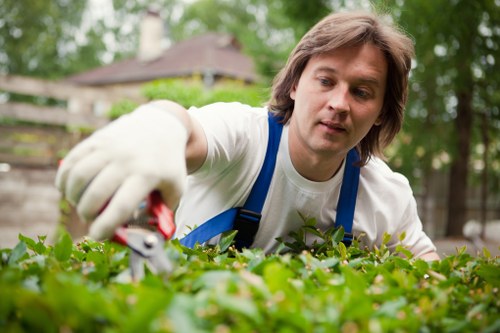
One of the main services provided by tree surgeons in Hampstead is pruning. Pruning is not simply cutting branches at random; it is a controlled process designed to shape growth, remove problematic sections, and maintain balance. Depending on the situation, pruning may be used to improve light penetration, reduce wind resistance, clear buildings or walkways, or remove crossing and rubbing branches. Each cut should have a purpose, and each tree should be treated as an individual case.
Crown thinning is often useful where a tree’s canopy has become too dense. By selectively removing certain branches, the tree can allow more light and air movement through the canopy. This can improve general vitality and reduce the chance of storm damage. Crown reduction, on the other hand, is used when a tree has become too large for its space or when the upper canopy needs to be made lighter. This work must be done carefully to preserve the natural shape and avoid overcutting.
Deadwood removal is another common task. Dead branches can fall unexpectedly, posing a risk to people, vehicles, or nearby structures. Removing deadwood is a practical safety measure, but it also has ecological benefits because it can be carried out selectively to preserve habitats where appropriate. In many cases, a balanced approach allows a tree to retain some natural features while reducing risk.
Tree surgery may also involve more advanced interventions when a tree is under significant stress. Disease management, decay assessment, and structural support are areas where expertise matters greatly. Fungal infections, root problems, and pest infestations can all affect tree performance. Some issues are manageable with pruning, soil improvement, or monitoring, while others may indicate that removal is the safest option. A responsible tree surgeon will never recommend removal without good reason, but safety must always remain a priority.
When a tree becomes hazardous, removal may be unavoidable. This is usually the case if there is severe structural failure, extensive decay, or an irreparable conflict with buildings or infrastructure. Tree removal in Hampstead can be complex because of the area’s properties and access limitations. Skilled surgeons plan the operation carefully, often dismantling the tree in sections to protect the surroundings. Precision is essential because nearby houses, fences, gardens, and utilities must remain undisturbed.
After removal, stump grinding is often considered to complete the job properly. Leaving a stump behind can create obstacles, attract pests, or allow unwanted regrowth. Grinding the stump below ground level creates a cleaner finish and makes the space easier to replant or redesign. For homeowners planning new landscaping, this can be an important step in restoring the area.
The best tree surgeons in Hampstead take a holistic view. They do not see individual tasks in isolation. Instead, they assess the wider landscape, the long-term development of the tree, and the needs of the property. This broader approach leads to better results because it aligns short-term action with long-term tree health.
How Professional Tree Care Supports Property Value and Safety
Healthy, well-managed trees can significantly enhance property value. In Hampstead, where outdoor space and natural character are highly valued, trees contribute to kerb appeal and create a sense of maturity and prestige. A carefully maintained tree-lined garden or frontage can elevate the overall appearance of a home. At the same time, neglected or overgrown trees can have the opposite effect, making a property look untidy or creating concerns about safety.
Safety is one of the most important reasons to work with qualified tree surgeons. Overextended limbs, weak forks, and hidden decay can all pose risks, especially during high winds or heavy rainfall. Trees near homes, footpaths, parking areas, and play spaces deserve regular attention. A professional tree surgeon can identify potential hazards before they become emergencies, reducing the chance of damage or injury.
Tree work also supports healthy relationships between neighbours. Overhanging branches, shading issues, and root encroachment can sometimes lead to disputes. When trees are managed sensibly and professionally, many of these concerns can be reduced or prevented. In a dense residential area, considerate tree care is part of responsible property ownership. It helps maintain harmony while preserving the natural benefits that trees provide.
It is worth noting that well-executed tree surgery is not simply reactive. Regular maintenance can extend the lifespan of many trees and reduce the need for drastic action later. In this sense, prevention is both economical and environmentally sound. Thoughtful care now may prevent the need for costly repairs, emergency work, or premature removal later on.
Many people are surprised by how much knowledge is involved in arboriculture. Tree surgeons must understand tree biology, climbing techniques, rigging, rigour in safety procedures, and the effects of different pruning styles. They also need to recognise how weather, soil, water availability, and surrounding structures influence tree development. This combination of practical skill and scientific understanding is what separates professional tree surgery from ordinary garden maintenance.
The use of specialist equipment is another reason why expertise matters. Safe tree surgery often requires climbing systems, lowering devices, saws, and protective equipment. In awkward or elevated situations, controlled dismantling techniques may be necessary. This is not work that should be improvised. Proper equipment and training help ensure that the work is efficient and that risks are managed carefully throughout the process.
In many cases, tree surgeons also advise on planting and aftercare. If a tree has been removed or a new landscape is being developed, selecting the right replacement species is important. The tree should suit the soil, available space, light conditions, and intended purpose. Good advice at the planting stage can prevent future problems and support a more resilient landscape. This forward-thinking approach reflects the best kind of arboricultural practice.
For homeowners, landlords, and property managers alike, professional guidance can be reassuring. Trees are valuable, but they are also dynamic and sometimes unpredictable. Having access to skilled care means there is always someone able to interpret symptoms, recommend solutions, and carry out work in a way that protects the broader environment.
 Another important factor in Hampstead tree work is respect for the surrounding landscape. Many gardens in the area have been developed over time and may contain a combination of ornamental planting, paved areas, mature shrubs, and historical features. Tree surgeons must work carefully to avoid unnecessary disturbance. Good site awareness helps preserve not only the trees themselves but also the character of the entire garden or estate.
Environmental responsibility is increasingly central to arboriculture. Healthy trees contribute to carbon capture, shading, cooling, and habitat creation. Because of this, removing a tree should always be the last resort when other reasonable measures will not solve the problem. Even when a tree must come down, responsible practice may include recycling wood, reducing waste, and considering future planting opportunities. Sustainable tree care benefits the whole neighbourhood.
The appearance of a tree after surgery is also important. Poorly cut trees can look harsh, unbalanced, or unnatural. By contrast, a well-pruned tree retains its beauty while becoming safer and more manageable. This aesthetic consideration matters in Hampstead, where the visual quality of outdoor spaces is part of the area’s identity. Good tree surgery should enhance that identity, not diminish it.
Choosing the Right Approach for Different Tree Problems
Different tree problems require different solutions. A tree with a minor branch issue may only need selective pruning. A tree suffering from structural imbalance may need a more detailed reduction. A specimen affected by disease may require monitoring and targeted intervention. A tree encroaching on a building may need careful reshaping, while a tree with severe internal decay may be unsuitable for retention. The key is diagnosis before action.
That diagnostic process is what makes professional tree surgery so valuable. Rather than guessing, a trained arborist assesses visible symptoms, growth patterns, and site conditions before recommending work. This reduces the risk of unnecessary intervention and improves the chances of a successful outcome. In the long term, informed decisions support both tree health and property safety.
For many property owners, the idea of cutting a tree can feel concerning. Trees often hold emotional value, and older specimens may be part of a family home’s history. A thoughtful tree surgeon in Hampstead understands this and approaches each case with care. The best outcome is usually the one that preserves as much of the tree as possible while addressing the actual problem.
There is also a strong case for routine maintenance rather than waiting until an issue becomes serious. Early pruning, periodic inspections, and minor corrective work are usually less disruptive than emergency interventions. Consistent care can keep a landscape attractive and manageable while reducing overall risk.
Tree surgeons in Hampstead are also important during storms or after severe weather events. High winds, snow, and heavy rain can expose weaknesses in limbs, trunks, and root systems. Broken branches, split trunks, and unstable trees may need urgent attention. In these situations, the priority is to secure the area, assess the damage, and decide whether partial repair or full removal is necessary. Fast, professional response can prevent secondary damage and protect people nearby.
Not all visible damage means a tree is beyond saving. Some trees recover well after losing limbs or suffering from temporary stress, provided the remaining structure is sound. Experienced arborists know how to distinguish between recoverable damage and signs of deeper failure. This ability is crucial because unnecessary removal wastes a valuable natural resource, while delayed removal of a dangerous tree can create serious risk.
As urban green spaces become more appreciated, tree care is increasingly recognised as an essential service rather than an optional luxury. In Hampstead, where mature trees contribute so much to the area’s atmosphere, the work of arborists helps maintain a delicate balance between nature and development. Their expertise supports not only individual properties but the broader character of the neighbourhood.
Tree Surgeons Hampstead continue to be indispensable for anyone who values healthy trees, safe surroundings, and attractive outdoor spaces. Their work combines science, skill, and practical judgement to protect trees from decline and people from avoidable hazards. Whether the task involves pruning, inspection, shaping, removal, or long-term management, the focus remains on achieving a careful, lasting result.
 For Hampstead’s homes, gardens, and public-facing landscapes, dependable tree care offers more than maintenance. It preserves the natural framework that gives the area much of its charm. Well-managed trees enrich daily life, add seasonal beauty, and support ecological diversity. With professional attention, they can continue to grow safely and gracefully for years to come, remaining a valued part of the local environment.
In the end, the difference between ordinary tree work and high-quality arboriculture lies in judgment. Skilled tree surgeons assess each tree as a living structure with a unique history and future. They understand that every cut has consequences and that the best outcomes come from careful planning, respect for the tree, and an appreciation of the landscape it inhabits. For Hampstead, that standard of care is especially important.


