Crown reduction in Hampstead: a local tree service for healthier, safer, better-balanced trees
If you are looking for crown reduction in Hampstead, you are probably trying to solve one of a few common problems: a tree that has outgrown its space, branches that are getting too close to a building, excessive shade in a garden, or a canopy that has become heavy and uneven after years of growth. In a place like Hampstead, where mature trees sit alongside period homes, mews properties, garden squares, commercial premises, and conservation-sensitive streets, tree work needs to be approached with care. A thoughtful crown reduction can improve light, reduce wind stress, and make a tree more manageable while preserving its character and value.
Our service is designed for local homeowners, landlords, property managers, and businesses that need practical tree care carried out safely and respectfully. Whether your tree is in a rear garden off a narrow lane, beside a frontage with limited parking, or in a shared outdoor space with access considerations, a local team understands how to plan the work properly. That matters in Hampstead, where access can be tight, trees are often visually important, and the surrounding buildings and outdoor spaces need protecting during the job.
Below, you will find everything you need to know about what crown reduction involves, when it is appropriate, how the work is carried out, what affects cost, and how to prepare for the visit. If you are considering tree surgery and want a sensible solution tailored to your property, book a site visit or request a free quote from a local tree team that understands the area.
What crown reduction means and why it is used
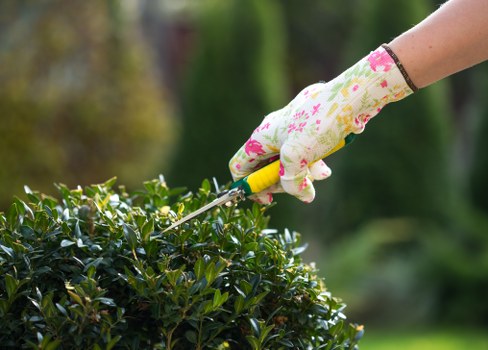
Crown reduction is the selective shortening of a tree’s canopy to reduce its overall size while keeping the natural shape as balanced as possible. Rather than simply cutting back everything in a harsh or uniform way, a proper reduction aims to bring the crown in by pruning to suitable growth points. The result is usually a smaller, lighter, and more manageable tree that still looks like a tree rather than a stump with branches attached.
In practical terms, this service is often used when a tree has become too dominant for its setting. In Hampstead, this may mean a mature tree shading out a garden, pressing against a roofline, interfering with neighbouring boundaries, or making an outdoor seating area less usable. It may also be used to reduce leverage on limbs that are exposed to wind, especially in open-fronted streets or exposed corners where storms can put extra strain on the canopy.
A crown reduction can also help improve daylight. Many local properties depend on gardens, courtyards, or rear rooms getting as much natural light as possible, particularly where surrounding trees have matured over time. A well-planned reduction may soften the impact without removing the tree completely, which is often the best outcome for owners who want to retain privacy, beauty, and environmental value.
Important note: reduction is not the same as topping. Topping is generally harmful because it leaves poor cuts, encourages weak regrowth, and can permanently damage the tree’s structure. A professional tree surgeon will assess the species, size, condition, and location before recommending the right approach.
When crown reduction is the right option
Not every tree needs reducing, and not every problem is solved by pruning. A good local arborist will always assess whether crown reduction is suitable, or whether another method such as crown thinning, crown lifting, deadwood removal, selective pruning, or in some cases removal, would be more appropriate. The aim is to choose the least invasive option that still addresses the issue.
Typical reasons for choosing this service include:
- Branches are too close to windows, roofs, gutters, or neighbouring structures
- The tree is blocking too much light into a garden or property
- The canopy is heavily weighted on one side and needs balancing
- Wind exposure has made the tree more vulnerable to movement
- The owner wants to keep a mature tree but make it more proportionate to the space
In a Hampstead setting, this often comes up with large front-garden trees, back-garden trees growing near shared boundaries, and trees beside access paths or driveways where regular movement is needed. It is also common for trees near shops, offices, cafés, schools, or managed premises to need careful shaping so they remain safe and presentable.
Why crown reduction is especially relevant in Hampstead
Hampstead has a distinctive character, and tree work here often needs to respect that character. Many properties are older, with varied rooflines, mature gardens, and tight approaches. Some streets have limited space for vehicles and equipment, and some homes sit within conservation areas or under tree protection controls. That means a crown reduction cannot be treated as a quick “cut and tidy” job; it needs local knowledge, careful planning, and an understanding of how the tree will look and behave afterwards.
Local property types also create specific challenges. A detached house may have a substantial ornamental or mature shade tree in the rear garden, while a townhouse might have one or two significant trees in a smaller plot where light is precious. Flats, converted houses, and mixed-use buildings may need coordinated work to avoid disruption to shared entrances, communal areas, and neighbouring windows. Commercial premises may need work timed around customer access or opening hours.
Another reason local expertise matters is parking and access. Tree surgery equipment, ladders, wood chipper access, and loading arrangements all need to be thought through in advance. In streets where parking is limited or controlled, a local crew is more likely to plan the job efficiently, reduce disruption, and avoid last-minute complications. That can save you time, stress, and avoidable delays.
Benefits of choosing a local tree team
Choosing a team familiar with Hampstead offers practical advantages beyond convenience. A local crew can usually assess site conditions more accurately, understand typical garden layouts, and anticipate issues such as narrow side access, fragile paving, boundary fences, and nearby planting that should be protected. They are also more likely to understand the balance between tree health, neighbour considerations, and the visual standards expected in a prestigious residential area.
The main benefits include:
- Better planning for access and equipment handling
- More careful work around neighbouring properties
- Appropriate pruning methods for mature urban trees
- Practical advice about tree safety and aftercare
- A service shaped around local property conditions
For many customers, the biggest advantage is peace of mind. When you know the team understands the local environment and the pressures that come with working on real Hampstead properties, you can feel more confident that the job will be done with care.
If you are unsure whether your tree needs reducing, thinning, or another type of pruning, a local inspection is the best place to start. Contact us today to arrange an assessment and discuss the best option for your tree and your space.
What is included in a professional crown reduction service
A proper crown reduction service should be more than simply cutting branches shorter. It should begin with a careful evaluation of the tree, the setting, the species, the likely response to pruning, and any constraints such as buildings, fences, cables, garden features, or access routes. The work should then be carried out in a controlled way that prioritises both tree health and site safety.
A typical service includes a combination of planning, pruning, branch management, and tidy-up. Depending on the tree and the location, it may also involve liaison around access, discussion of the final shape, and recommendations for ongoing care. The aim is always to leave the tree improved, the site tidy, and the customer clear about what has been done.
Common elements of the work
- Initial inspection of the tree and surrounding area
- Discussion of the desired reduction and any concerns
- Selection of appropriate branches and growth points
- Careful pruning to reduce height and/or spread
- Removal of cut branches and green waste
- Site clearance and a final check of the area
How the tree is protected during the process
A responsible team will not just focus on getting branches down quickly. It will also aim to avoid unnecessary damage to bark, roots, adjacent shrubs, lawns, paving, and nearby structures. Equipment should be used with care, especially in gardens where space is limited. The team should also consider the shape of the tree after pruning, making sure the work looks natural rather than blunt or overdone.
Species, size, and condition matter
Different species respond differently to reduction. Some tolerate pruning well if handled correctly, while others need a lighter touch. A mature tree in good health may be suitable for a moderate reduction, while a stressed or declining specimen may need a more conservative approach. A qualified or experienced tree surgeon will look at factors such as branch structure, signs of disease, previous pruning history, and the tree’s ability to recover.
This is why an in-person assessment is so valuable. It ensures the plan is based on the actual tree, not a guess from a photo or a general description.
How the service works from enquiry to completion
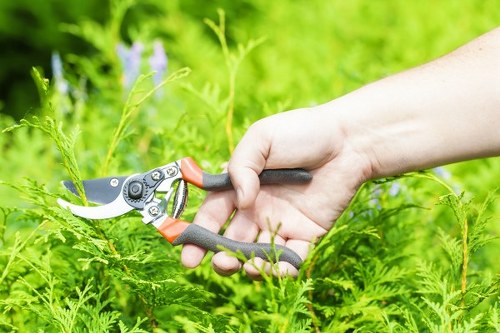
For most customers, the process begins with an enquiry and a request for a quote or visit. After that, the tree is assessed, options are explained, and the work is scheduled at a suitable time. Clear communication is important, especially where the tree is close to neighbours, a public pavement, or a shared access route. You should know what will happen, how long the job may take, and what needs to be prepared beforehand.
Once the plan is agreed, the team arrives with the necessary equipment and carries out the reduction in a safe sequence. Larger branches may need to be dismantled in sections, especially in confined gardens or near structures. Smaller branches and foliage are then processed and removed. When the work is finished, the site should be left tidy, with obvious hazards removed and any agreed follow-up discussed.
Typical stages of a crown reduction job
- Make an enquiry and describe the tree, location, and concerns
- Arrange a visit or survey for a more accurate assessment
- Receive a clear explanation of the recommended approach
- Schedule the work at a suitable date and time
- Carry out the pruning with safe methods and suitable equipment
- Clear away waste and leave the area ready to use
For residential customers, this can mean reduced shade in the garden, better access, and a more balanced view from the house. For commercial customers, it may mean a smarter frontage, improved safety for visitors, and less interference with daily operations. In both cases, the end goal is a tree that fits its surroundings better.
Practical tip: if the tree affects a shared boundary, it is often wise to speak with neighbours in advance. That can help avoid confusion and make access easier on the day.
Need the work carried out without hassle? Book your service now and get a local team to assess the tree properly.
Preparation checklist for homeowners and property managers
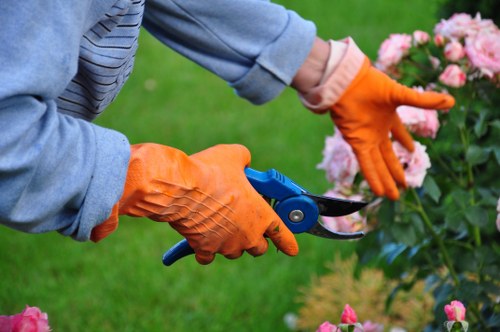
Preparing for crown reduction does not have to be difficult, but a little planning helps the job run smoothly. In Hampstead, where access can be tight and properties can be closely positioned, simple preparation can make a real difference to how efficiently the work is completed. Whether you are a homeowner, landlord, facilities manager, or building representative, the following checklist can help.
Before the team arrives
- Clear garden furniture, ornaments, and fragile items from the work area if possible
- Make sure access gates, side passages, or shared routes are unlocked and usable
- Tell the team about any parking, loading, or access restrictions
- Highlight drains, glass structures, sheds, conservatories, or other features nearby
- Let neighbours know if branches may overhang boundaries or if access is shared
- Keep pets and children away from the work zone during the operation
If your property is a rental or managed building
It helps to confirm who has authority to approve the work and whether anyone else needs to be informed. In some cases, the tree may be in a communal garden or near a shared driveway, so coordination is important. If the tree is protected or may be subject to local planning considerations, the responsible party should make sure the right checks are in place before work starts.
Some trees in Hampstead may be subject to a Tree Preservation Order or be located within a conservation area. If this applies, the work may need formal permission or a notification process before pruning can proceed. A local tree specialist can usually advise on the practical next steps, but the exact responsibility for consent may depend on ownership and property type.
How to help the day go smoothly
Try to give accurate information when booking. Mention the size of the tree, whether it is near the road, whether there is rear access, and whether the canopy is close to buildings or overhead obstacles. The more detail provided in advance, the more precisely the job can be planned.
Good preparation leads to a cleaner, safer, more efficient service. It also helps reduce disruption to you, your neighbours, and anyone using the property.
Pricing factors for crown reduction in Hampstead
Every tree is different, so pricing is usually based on the time, access, complexity, and disposal involved rather than a one-size-fits-all figure. That is especially true in Hampstead, where one property may have excellent access and another may require careful dismantling through a narrow side return, across a courtyard, or over delicate surfaces.
Several factors usually influence the quote:
- Tree size and height: larger trees often require more labour, time, and equipment
- Access: limited side access or rear access can increase complexity
- Location: trees near buildings, walls, or utilities need extra care
- Condition: deadwood, decay, or previous poor pruning may complicate the work
- Waste volume: more material means more handling and disposal
- Scope of work: whether the job includes reduction only or other pruning tasks as well
It is also worth remembering that a quote should reflect the overall job, not just the visible branches. A tree that looks straightforward from the street may be much more demanding once access, drop zones, and surrounding features are considered. That is why a site visit can be much more useful than an estimate based on a quick description alone.
Ask for a clear, itemised explanation of what is included so you understand exactly what the service covers. A local company should be able to explain how the work will be done and why certain methods are being recommended.
Why not just choose the lowest price?
Tree work is a skilled service, and the cheapest option is not always the best value. With crown reduction, poor technique can leave the tree looking unbalanced or stressed. In the wrong hands, the work may also create avoidable problems for branches, future growth, or the surrounding property. Value comes from careful planning, safe execution, and a result that supports the long-term health and appearance of the tree.
If you are comparing options, look for a team that explains the method clearly, shows an understanding of the site, and takes time to discuss outcomes rather than rushing you into a decision.
Why Hampstead customers choose crown reduction over removal
For many local customers, the aim is not to lose a tree but to make it work better for the property. Mature trees can be one of the best features of a garden or frontage, adding privacy, structure, shade, wildlife value, and seasonal beauty. When a tree becomes too large, crown reduction can offer a balanced middle ground between doing nothing and removing the tree completely.
This is particularly relevant in Hampstead, where gardens and streetscapes often benefit from established trees but also need manageable light levels and safe clearances. A careful reduction can preserve the presence of the tree while making outdoor spaces more comfortable and practical. It may also help maintain sightlines, reduce the feeling of enclosure, and support better use of patios, lawns, and seating areas.
In commercial settings, a more controlled canopy can make a frontage look better maintained and more welcoming. It can also help reduce the chance of overhanging branches interfering with signage, entrances, or daily foot traffic. For landlords and managing agents, it can be an effective way to maintain a property without resorting to more drastic measures.
What a good outcome looks like
After a successful crown reduction, the tree should still look natural. Its outline should be cleaner and lighter, but not harshly altered. You should notice improved balance, better light, and less crowding around nearby structures. Over time, the tree should continue to grow in a manageable way if the reduction has been carried out properly.
That balance is the main goal: safer, healthier, and more suitable for the space, without losing the tree’s character.
Areas covered around Hampstead
Local tree surgery services often cover Hampstead itself as well as nearby neighbourhoods and surrounding North and North West London locations. That can be useful if you manage multiple properties or need consistent care across different sites. Coverage may include nearby residential streets, shared gardens, managed developments, and commercial properties across the local area.
- Hampstead Village
- West Hampstead
- Belsize Park
- Finchley Road area
- South Hampstead
- Golders Green
- Highgate
- Swiss Cottage
- Primrose Hill
If your tree is just outside Hampstead, it is still worth asking. A local team may be able to arrange work nearby, especially where access and scheduling can be grouped efficiently.
Frequently asked questions
How much crown reduction should be done?
That depends on the species, the tree’s health, its size, and what problem you are trying to solve. A responsible tree surgeon will usually recommend a reduction that suits the tree rather than pushing for an unnecessary amount. In many cases, a modest reduction is more sustainable than a severe cut.
Will crown reduction harm my tree?
When done correctly, it should not. A professional approach uses appropriate cuts and respects the structure of the tree. Poor pruning, however, can stress the tree and lead to weak regrowth, so the method matters a great deal.
How often will my tree need reducing?
There is no fixed schedule. Some trees may only need attention occasionally, while others in tight urban settings may need periodic management to keep them in proportion. The growth rate, species, and location all affect how quickly the tree becomes oversized again.
Can you reduce a tree in a small Hampstead garden?
Yes, provided the tree is suitable and the site can be worked safely. Many small or awkward gardens can still be managed effectively with the right equipment and planning. Narrow access and nearby structures simply mean the work needs to be handled carefully.
Do I need permission first?
Possibly. If the tree is protected or located in a conservation area, permission or notice may be required before work can go ahead. It is always sensible to check before starting the job, especially in areas with strong local planning controls.
Is crown reduction suitable for every tree?
No. Some trees respond better to other forms of pruning, and some may not be good candidates for reduction at all. An assessment is the best way to determine the right method.
Can this help with light issues?
Yes, in many cases it can make a noticeable difference by reducing the canopy’s spread and height. That said, the exact improvement depends on tree position, surrounding buildings, and the amount of reduction that is appropriate.
What to expect from a reliable local service
When you contact a professional team for crown reduction in Hampstead, you should expect clear communication, thoughtful advice, and a practical approach to the site. Good service is not just about cutting branches; it is about understanding the tree, the property, and the customer’s goals. It should feel organised, respectful, and tailored to the setting.
A reliable service will take the time to explain what is being recommended, answer your questions, and help you understand the likely result. It will also work with care around your property and leave the area tidy once the job is complete. For customers who value their trees but need a solution to size, light, or safety concerns, that level of attention makes a real difference.
If your tree is becoming difficult to live with, but you do not want to remove it, crown reduction may be the right answer. Request a free quote, arrange a visit, or contact us today to discuss the best approach for your Hampstead property.
Ready to discuss your tree?
Whether you are dealing with an overgrown garden tree, a specimen that has become too wide for its position, or a canopy that is starting to interfere with your property, a local crown reduction service can help. The best results come from a careful assessment, the right pruning method, and a team that understands Hampstead’s homes, access challenges, and expectations.
Contact us today to talk through your tree, ask for a free quote, or book a site visit. If you want a practical solution that keeps your tree looking good while making it fit the space better, this is a strong place to start.